What Is Cloud-Based Application Development?
Cloud-based application development is the process of building software applications that operate on cloud platforms rather than local systems or on-premise servers. These applications use cloud computing resources such as virtual servers, databases, storage, and APIs to deliver services over the internet. In simple terms, cloud-based apps allow users to access data and features anytime, from anywhere, without worrying about hardware limitations.
Why Businesses Prefer Cloud-Based Applications in 2026
The shift toward cloud-native app development is driven by real business needs. Companies today want flexibility, speed, and reliability—and cloud technology delivers exactly that. Some key reasons businesses choose cloud-based application development include:
● Remote and hybrid work environments
● Growing demand for scalable digital products.
● Integration with AI, analytics, and automation tools
● Reduced operational and infrastructure costs.
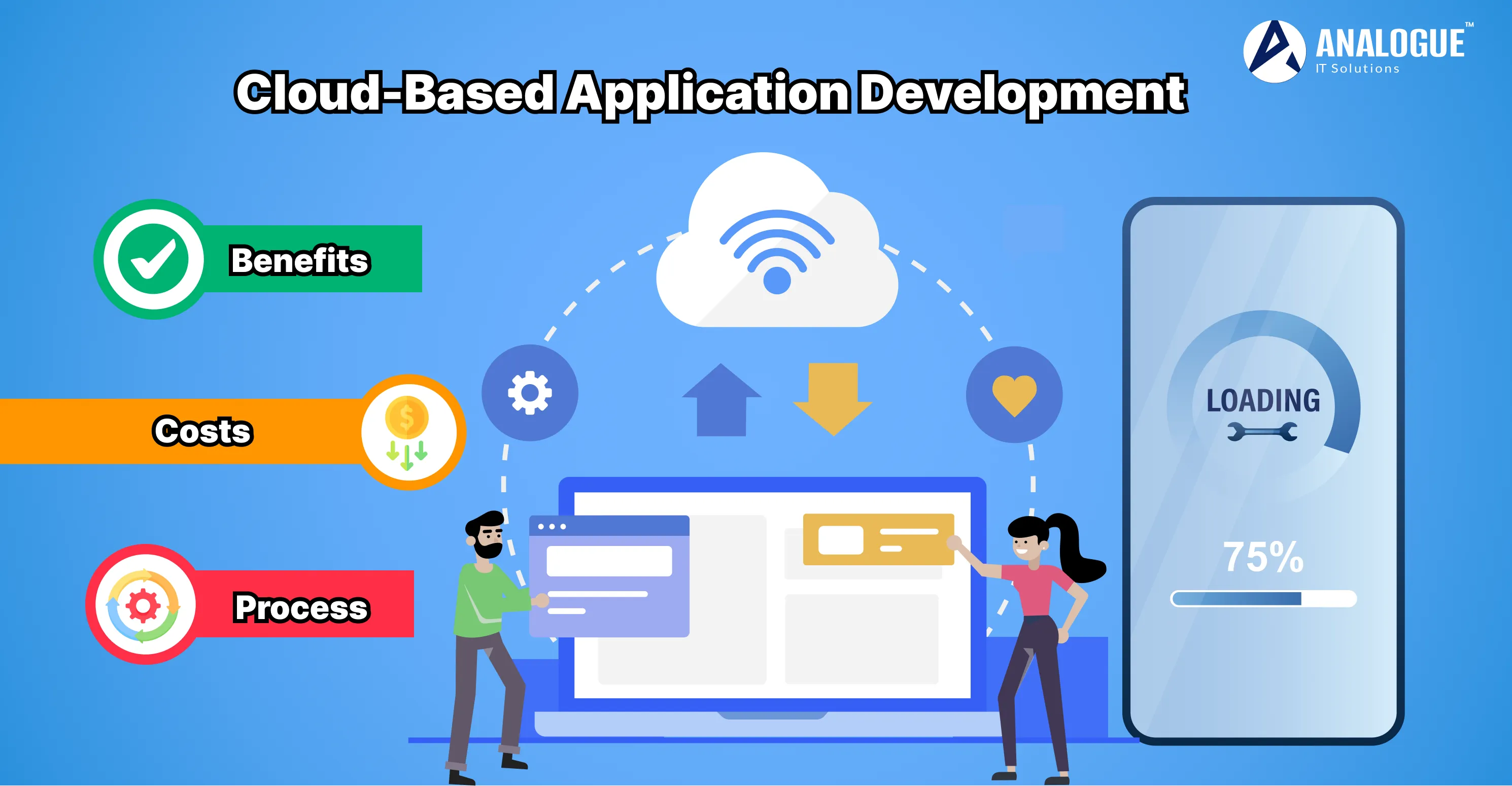
Key Benefits of Cloud-Based Application Development
Scalability Without Complexity - One of the biggest advantages of cloud-based applications is scalability. Businesses can easily increase or decrease resources based on user demand, ensuring smooth performance during peak traffic.
Lower Development and Infrastructure Costs - Cloud platforms eliminate the need for expensive hardware. Businesses pay only for the resources they use, making cloud application development highly cost-effective.
Faster Time to Market - With ready-to-use cloud services and DevOps pipelines, development teams can build, test, and deploy applications much faster than traditional methods.
Improved Security and Reliability - Leading cloud service providers offer advanced security measures, data encryption, and compliance standards. This helps businesses protect sensitive data while maintaining high availability.
Easy Integration With Modern Technologies - Cloud-based applications integrate seamlessly with SaaS tools, AI models, machine learning services, and third-party APIs, making them future-ready.
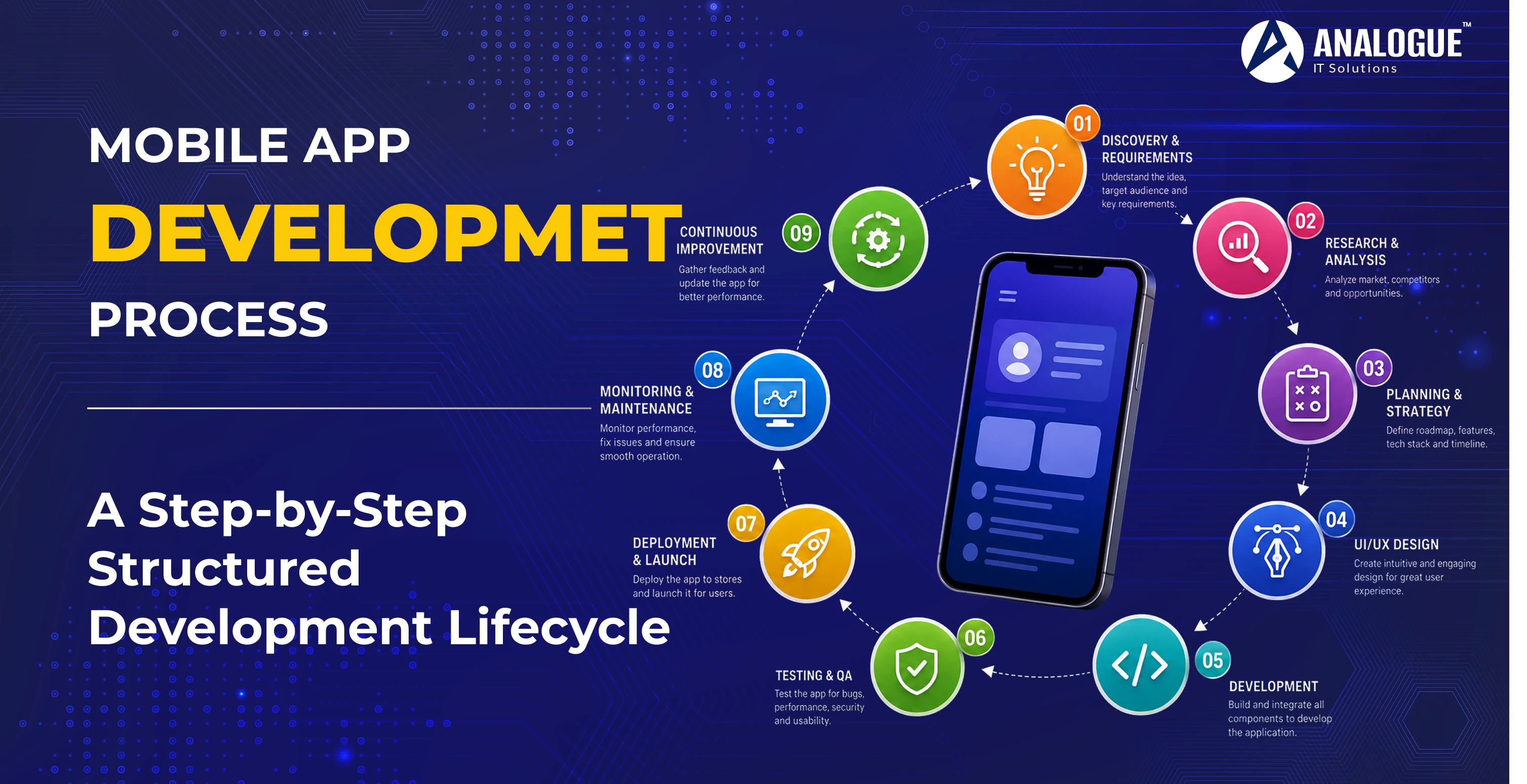
Cloud-Based Application Development Process
Step 1: Business Requirement Analysis - The process begins by identifying business goals, target users, and application features. Choosing the right cloud model—public, private, or hybrid—is crucial at this stage.
Step 2: Cloud Architecture Design - Developers design a scalable and secure cloud architecture, selecting services such as cloud databases, storage solutions, and computing resources.
Step 3: Application Development - The application is built using modern programming frameworks. Many businesses prefer microservices-based cloud application development for better flexibility and maintenance.
Step 4: Testing and Quality Assurance - Before launch, the application undergoes performance testing, security testing, and load testing to ensure stability and user satisfaction.
Step 5: Deployment and Launch - Using continuous integration and deployment tools, the application is launched on the cloud with minimal downtime.
Step 6: Monitoring and Maintenance - After deployment, the application is continuously monitored to improve performance, security, and user experience.
Types of Cloud-Based Applications
● SaaS application development
● Cloud-native mobile applications
● Enterprise cloud solutions
● E-commerce cloud platforms
● Data-driven cloud applications
Cloud-Based Application Development Costs
The cost of cloud-based application development varies depending on multiple factors such as application size, features, and cloud services used.
Key Cost Factors
● Application complexity and functionality
● Choice of cloud service provider
● Development team expertise
● Security and compliance requirements
● Ongoing maintenance and cloud usage
Estimated Cost Range
● Small cloud application: $8,000 – $20,000
● Medium-scale cloud solution: $20,000 – $60,000
● Enterprise-level cloud application: $60,000 and above
Future of Cloud-Based Application Development
Cloud-based application development will continue to evolve with AI-driven automation, edge computing, and serverless technologies. Businesses investing in cloud-native solutions today are positioning themselves for long-term growth and digital innovation.
Conclusion
Cloud-based application development is no longer just a technology trend—it has become a core business strategy in 2026. With benefits such as scalability, cost efficiency, faster deployment, and seamless integration, cloud-based applications enable businesses to innovate, adapt, and grow with confidence. Organizations looking to implement reliable and future-ready cloud solutions often partner with experienced technology providers like Analogue IT Solutions, which focuses on building scalable, secure, and business-driven cloud applications tailored to modern enterprise needs.



 For Business :