Understanding the Concept Behind OYO Rooms
OYO Rooms is not just a hotel booking app; it is a technology-driven hospitality platform that connects travelers with budget-friendly hotels while ensuring consistent service quality. The core idea behind OYO is to aggregate small and mid-sized hotels, standardize their offerings, and make them easily discoverable through a mobile app. Users can search for hotels based on location, price, amenities, and ratings, and complete bookings within minutes.
When creating a hotel booking app like OYO, the primary focus should be on simplicity, speed, and trust. The app must reduce the friction involved in hotel discovery and booking while offering transparent pricing and reliable customer support.
Why Building a Hotel Booking App Like OYO Is a Smart Business Idea
The global online travel market continues to grow rapidly as more users rely on mobile apps for planning trips. Budget travel, short stays, and business travel have seen a significant rise, creating strong demand for hotel booking platforms. A hotel booking app like OYO addresses this demand by offering affordable stays, last-minute bookings, and location-based hotel discovery. From a business perspective, such apps offer multiple revenue streams and high scalability. Once the platform is established, it can be expanded across cities, regions, and even countries with relatively low operational costs compared to traditional hotel chains.
Market Research and Business Planning
Before starting development, thorough market research is essential. You need to analyze existing hotel booking apps such as OYO, Booking.com, Agoda, and MakeMyTrip to understand their features, pricing strategies, and user experience. Identifying gaps in the market will help you define a unique value proposition for your app. Business planning involves deciding your target audience, hotel categories, pricing strategy, and geographical focus. You should also determine whether you want to focus on budget hotels, luxury accommodations, homestays, or a mix of all. A clear business plan will guide your development and marketing efforts effectively.
Core Features Required for a Hotel Booking App Like OYO
User App Features - The user-facing mobile app is the most critical component of your hotel booking platform. It should provide a smooth and intuitive experience from login to booking confirmation. Users should be able to register using their mobile number, email address, or social media accounts. Once logged in, they must be able to search for hotels using advanced filters such as location, price range, ratings, amenities, and availability. Detailed hotel listings with high-quality images, room descriptions, amenities, policies, and customer reviews help users make informed decisions. Real-time availability and instant booking confirmation are essential to building trust. Secure payment options, booking history, cancellation support, and push notifications further enhance the user experience.
Hotel Partner Panel - A hotel booking app like OYO cannot function effectively without a dedicated hotel partner dashboard. This panel allows hotel owners to onboard their properties, upload room details, manage pricing, and update availability in real time. Hotel partners should also be able to track bookings, cancellations, earnings, and payout schedules through this dashboard. Providing a user-friendly hotel partner panel helps build long-term relationships with property owners and ensures smooth operations across the platform.
Admin Panel - The admin panel acts as the control center of the hotel booking app. It enables platform owners to manage users, hotels, bookings, commissions, refunds, and promotions. Through the admin dashboard, you can monitor platform performance, generate reports, analyze user behavior, and resolve disputes. A robust admin panel is crucial for maintaining transparency, ensuring quality standards, and supporting platform scalability.
Advanced Features to Compete with OYO Rooms
To stay competitive in the crowded travel-tech market, advanced features are essential. AI-powered recommendation engines can suggest hotels based on user preferences, past bookings, and search behavior. Dynamic pricing systems allow hotels to adjust room rates automatically based on demand, seasonality, and occupancy levels. Loyalty programs and reward points encourage repeat bookings, while personalized offers increase user engagement. Chatbots and live chat support improve customer service efficiency, and GPS integration helps users find nearby hotels easily. Contactless check-in and digital room access are emerging trends that enhance convenience and safety.
Technology Stack for Hotel Booking App Development
Choosing the right technology stack is critical for building a scalable and high-performing hotel booking app. For mobile app development, you can choose native development using Kotlin or Java for Android and Swift for iOS. Alternatively, cross-platform frameworks such as Flutter or React Native can help reduce development time and cost. The backend can be developed using technologies like Node.js, Laravel, Django, or Spring Boot, depending on scalability and performance requirements. Databases such as MySQL, PostgreSQL, or MongoDB are commonly used to manage hotel, booking, and user data. Third-party integrations including payment gateways, Google Maps, SMS and email notifications, and analytics tools are essential for delivering a complete and reliable solution.
Step-by-Step Process to Create a Hotel Booking App Like OYO
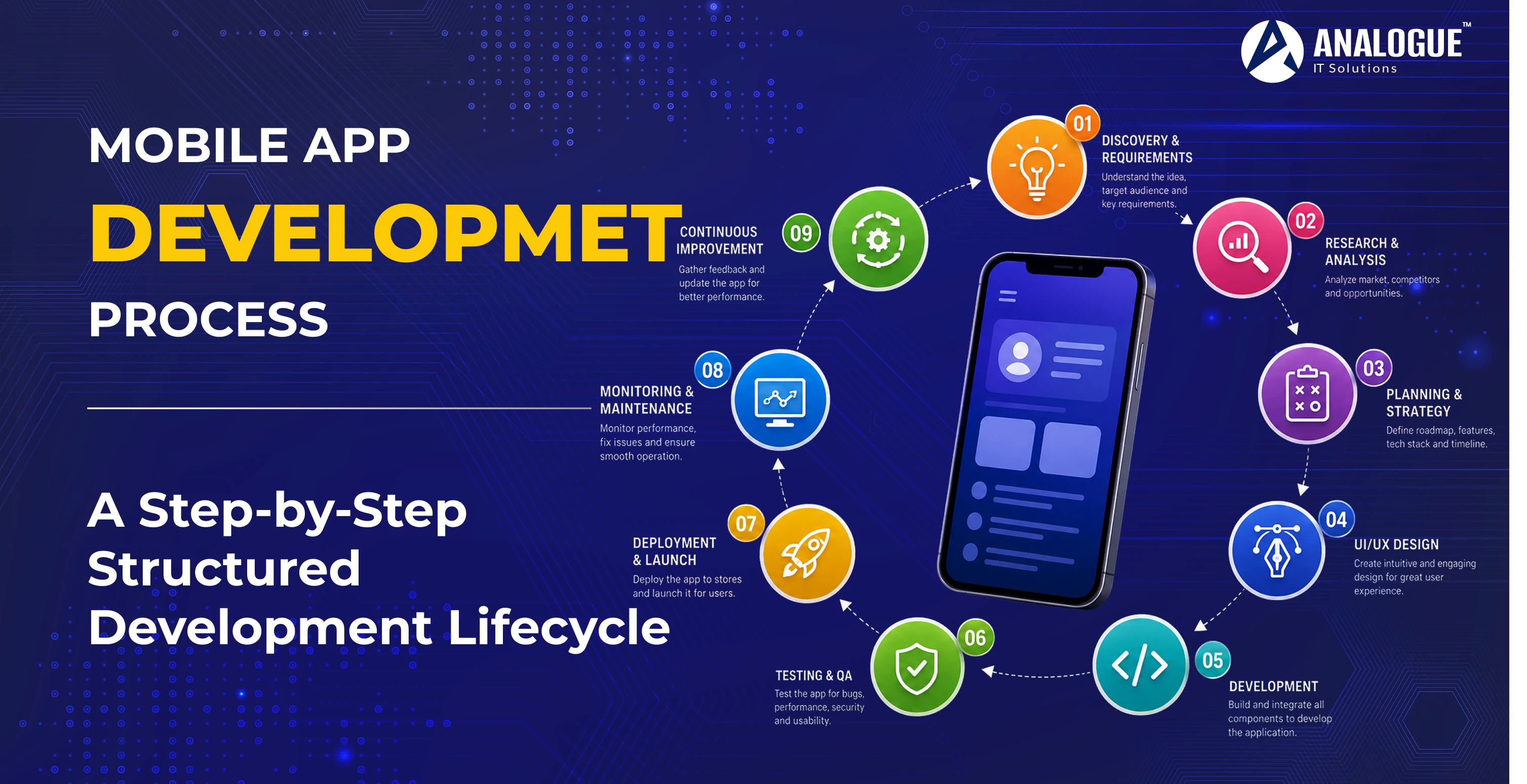
The development process begins with requirement analysis and documentation. This stage involves defining features, workflows, and technical specifications. Next, UI/UX designers create wireframes and prototypes to visualize the user journey and ensure ease of use. Once the design is finalized, frontend and backend development begins. Developers integrate APIs, implement booking logic, and set up payment gateways. After development, rigorous testing is conducted to identify bugs, performance issues, and security vulnerabilities. Following successful testing, the app is deployed on the Google Play Store and Apple App Store. Continuous monitoring, updates, and feature enhancements ensure long-term success.
Cost to Develop a Hotel Booking App Like OYO Rooms
The cost of developing a hotel booking app like OYO depends on multiple factors, including feature complexity, design requirements, technology stack, and development team location. A basic app with essential features costs less, while an advanced app with AI, analytics, and scalability requires a higher investment. On average, the development cost ranges between $30,000 and $100,000 or more. Although this may seem significant, investing in quality development ensures better performance, security, and scalability.
Monetization Strategies for Hotel Booking Apps
Hotel booking apps can generate revenue through multiple proven monetization models. The most common method is commission per booking, where hotels pay a fixed percentage for each confirmed reservation made through the platform. Subscription-based plans allow hotel partners to access premium features such as higher visibility, analytics, and promotional tools. Additional monetization options include featured hotel listings, in-app advertisements, premium memberships for users, loyalty programs, and dynamic pricing margins. Implementing multiple revenue streams helps ensure consistent income and business sustainability.
SEO and Marketing Strategy for Hotel Booking Apps
A strong SEO and digital marketing strategy is essential for the success of a hotel booking app like OYO Rooms. Search engine optimization helps your platform rank higher for competitive keywords such as hotel booking app like OYO, online hotel booking app development, and travel app development company. Creating high-quality blog content, destination guides, and travel tips helps attract organic traffic and builds brand authority. App Store Optimization (ASO) plays a critical role in increasing app downloads. Optimizing app titles, descriptions, screenshots, and reviews improves visibility on the Google Play Store and Apple App Store. Social media marketing, influencer collaborations, paid campaigns, and local SEO for hotel listings further expand reach and user acquisition. A combination of SEO, ASO, and performance marketing ensures long-term growth.
Challenges in Building a Hotel Booking App Like OYO
Developing and managing a hotel booking app comes with challenges such as maintaining hotel quality standards, managing real-time availability, handling cancellations and refunds, and providing reliable customer support. Data security and compliance with local regulations are also critical concerns. However, with proper planning, advanced technology, and a strong operational strategy, these challenges can be effectively addressed.
Future Trends in Hotel Booking Apps
The future of hotel booking apps is driven by innovation and personalization. AI-powered recommendations, voice search, smart pricing models, and contactless services are shaping user expectations. Travelers increasingly demand faster, safer, and more personalized booking experiences. Businesses that adopt these technologies early will gain a competitive advantage and build long-term customer loyalty.
Build Your Hotel Booking App Like OYO Rooms
If you are planning to launch a hotel booking app like OYO Rooms, partnering with an experienced hotel booking app development company is the key to success. A professional development team can help you with market research, UI/UX design, scalable architecture, secure payment integration, and post-launch support. Whether you want to start with a single city or scale globally, the right technology partner can turn your idea into a high-performing travel platform.
Conclusion
Building a hotel booking app like OYO Rooms requires more than just a good idea—it demands the right strategy, technology, and development expertise. From understanding the business model and implementing essential features to choosing a scalable technology stack and planning monetization, every step plays a critical role in long-term success. A well-designed hotel booking app can help businesses tap into the growing digital travel market while delivering seamless and reliable experiences to users.
This is where Analogue IT Solutions stands out as a trusted technology partner. With expertise in hotel booking app development, travel app solutions, and scalable mobile applications, Analogue IT Solutions helps businesses transform ideas into powerful digital platforms. By focusing on innovation, performance, and user experience, Analogue IT Solutions ensures that your hotel booking app is future-ready, competitive, and built for sustainable growth.



 For Business :