Why a Mobile App Is a Game Changer for E-Commerce Businesses
If you're running an e-commerce store, a mobile app can completely change the game for you. Here's how:
1. Improved Customer Experience - Mobile apps offer a smoother and faster user experience than websites. Your customers can browse products, add items to cart, and check out within seconds. The convenience alone can boost sales and customer satisfaction.
2. Personalized Offers - Apps allow you to track user behavior and send personalized push notifications. For example, you can alert users about discounts, offers, or abandoned cart reminders all in real time. This level of customization is harder to achieve on a mobile website.
3. Faster Checkout & Payment Integration - With in-app payment systems like Google Pay, Apple Pay, and UPI, checkout becomes quick and hassle-free. A few taps, and the order is placed. This reduces cart abandonment rates and increases revenue.
4. Offline Access - Unlike websites that need constant internet, mobile apps can offer limited access even when offline. Customers can still browse product categories, view previous orders, or create wishlists.
5. Loyalty Programs & Rewards - You can integrate customer loyalty programs directly into your mobile app. Every purchase earns them points, rewards, or discounts. This keeps users coming back and builds strong brand loyalty.
What Advantages Do Apps Offer Over Mobile Websites?
You might wonder - “I already have a responsive website. Why do I need an app?” That's a valid question. Let's look at some clear advantages mobile apps have over websites:
1. Speed That Impresses - Mobile apps are significantly faster than mobile websites. Since they store data locally on the device and are optimized for performance, users experience minimal delays. In contrast, mobile websites depend on browser performance and internet speed, which can cause lags.
2. Offline Access - One of the most valuable features of mobile apps is their ability to work offline. While websites require an internet connection, apps can offer limited functionality even without it such as browsing saved items or accessing order history.
3. Better Personalization - Apps allow you to tailor the user experience based on preferences, behavior, and usage patterns. This kind of personalization boosts engagement and customer satisfaction something that mobile websites struggle to match.
4. Push Notifications - Unlike websites, apps can send real-time push notifications directly to users' phones. These alerts can remind users of abandoned carts, announce new offers, or share updates keeping your brand top-of-mind.
5. Higher User Engagement - Because mobile apps are just a tap away on the user's home screen, they naturally encourage more frequent interactions. This convenience leads to better user retention and stronger brand relationships.
6. Rich User Interface - Apps provide a smoother and more dynamic user interface compared to websites. They're built to offer intuitive navigation, animations, and responsive layouts that feel modern and user-friendly. Simply put, apps offer better performance, deeper engagement, and more opportunities for customer interaction.
Real Examples: How Businesses Grew With Mobile Apps
Still not convinced? Here are a few examples:
● A clothing brand launched a mobile app in early 2024. Within 6 months, their mobile sales increased by 65%.
● A local restaurant introduced an ordering app and saw a 3X increase in repeat orders.
● An electronics store added AR features to its app to allow users to see products at home boosting user satisfaction and reducing return rates.
These are just small snapshots of how powerful mobile apps can be when used the right way.
How to Get Started with Custom Mobile Apps
Building a mobile app may seem like a huge task, but it doesn't have to be overwhelming. Here's a simple roadmap to get started:
1. Define Your Goals - What do you want your app to do? Sell products? Take bookings? Offer customer support? List down your main objectives.
2. Know Your Audience - Understand who will use your app. What problems are they facing? What features will make their lives easier?
3. Choose the Right Platform - Will your app be on Android, iOS, or both? For startups, cross-platform tools like Flutter or React Native are cost-effective and fast to develop.
4. Partner with a Trusted App Development Company - Here's where Analogue IT Solutions comes in. With a track record of building successful mobile apps across industries, they help businesses like yours go from idea to launch smoothly and professionally.
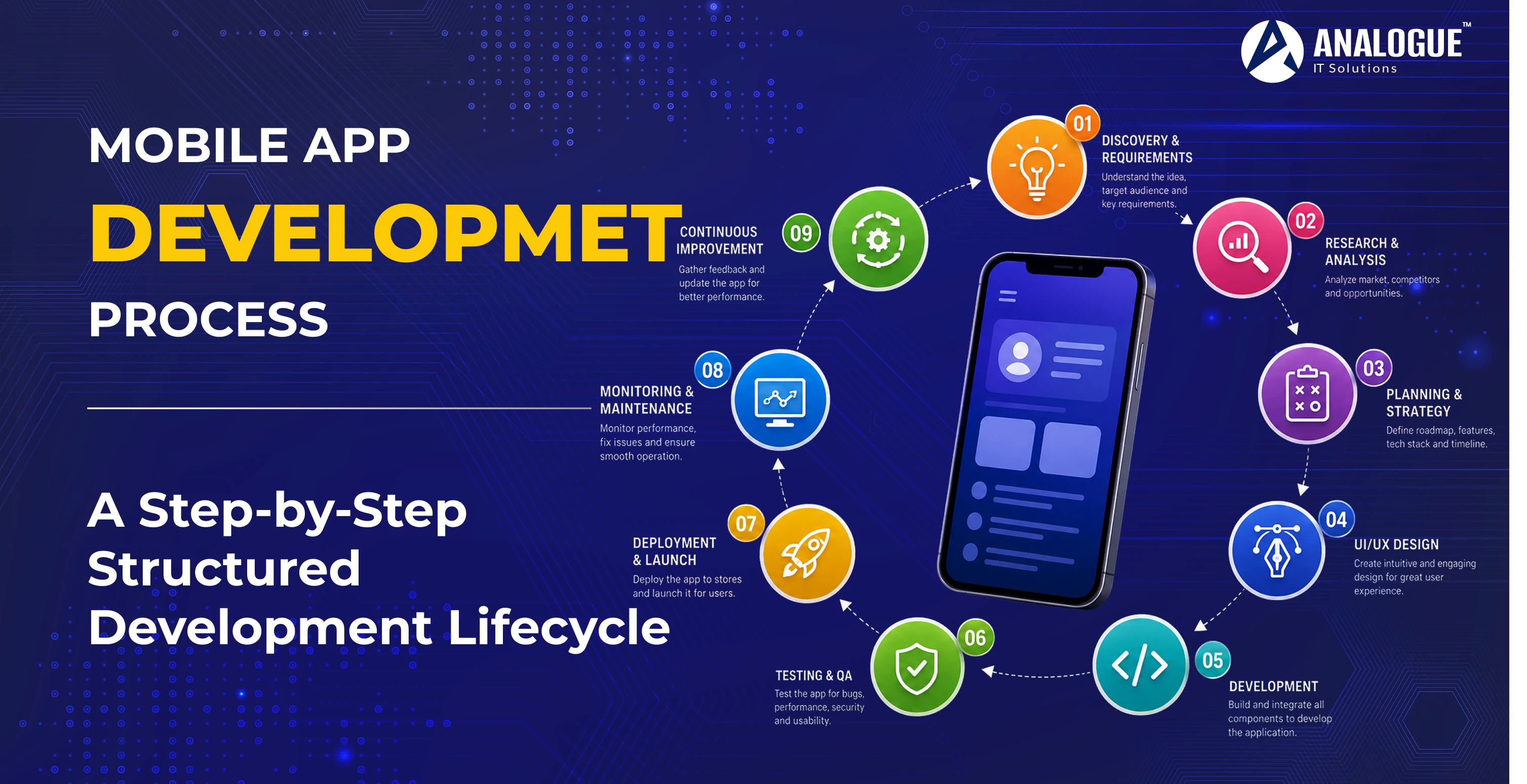
5. Test, Launch & Improve - Once developed, test your app thoroughly. After launch, collect user feedback and keep improving it with regular updates.
Final Thoughts: Stay Ahead in 2025 With a Mobile App
Mobile apps are no longer just for big brands. In 2025, they're essential for any business that wants to grow, stay relevant, and build real customer relationships. From e-commerce to local services, education, and beyond mobile apps help you stay connected to your audience 24/7. Whether you're a startup or an established business, investing in a mobile app is one of the smartest decisions you can make this year.
Ready to Build Your App?
Let Analogue IT Solutions turn your idea into a high-performing, user-friendly mobile app that delights customers and drives results. Get in touch today and start your mobile journey!



 For Business :